
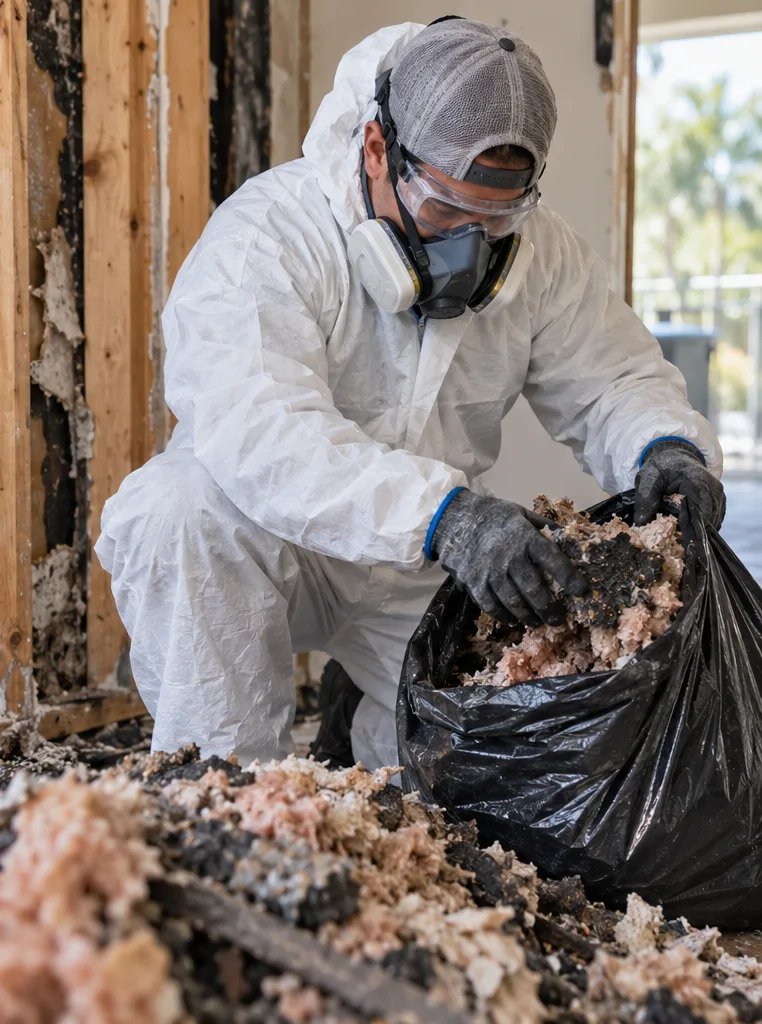
An interior tear-out works best when the scope names assemblies, boundaries, and stopping points. “Gut the room” leaves too much open to interpretation after fire, smoke, water, and previous construction have affected the same space differently.
Describe the room by assembly
List ceilings, wall finishes, insulation, cabinets, flooring, doors, trim, and non-structural partitions separately. For each item, note whether it is approved for full removal, partial removal to a marked line, or protection in place.
Map utilities and hidden conditions
Confirm which electrical, gas, water, mechanical, and low-voltage systems are isolated. Open cavities can reveal materials or damage that were not visible during estimating. The written scope should say who is notified and who can authorize added removal.
| Question | Why it matters |
|---|---|
| What is the stopping point? | Defines where removal ends and protected construction begins. |
| Which utilities are isolated? | Prevents crews from treating an active service as demolition debris. |
| How will debris leave? | Sets floor protection, cart size, labor, and container position. |
| Who approves hidden-condition changes? | Keeps the field decision tied to the project record. |
Plan containment around the actual path
Containment is more than plastic at a doorway. Think through the route from the work face to the container, including stairs, elevators, occupied rooms, storefronts, and neighboring units. Identify where carts turn, where doors need protection, and where debris is transferred.
End with a handoff condition
State whether the area should be left to exposed framing, a defined substrate, or another agreed condition. Include debris removal, loose fasteners, and temporary protection in that description so the next trade knows what it will receive.
Safety and regulatory note
OSHA describes demolition as construction in reverse with added hazards and calls for an engineering survey by a competent person before demolition. EPA guidance also warns that damaged buildings can contain asbestos, lead, PCBs, tanks, and other hazards that need appropriate handling. Use the responsible authority and qualified professionals for the actual property.
Review the companion post-fire property cleanout service page, or prepare the details needed for an estimate.