
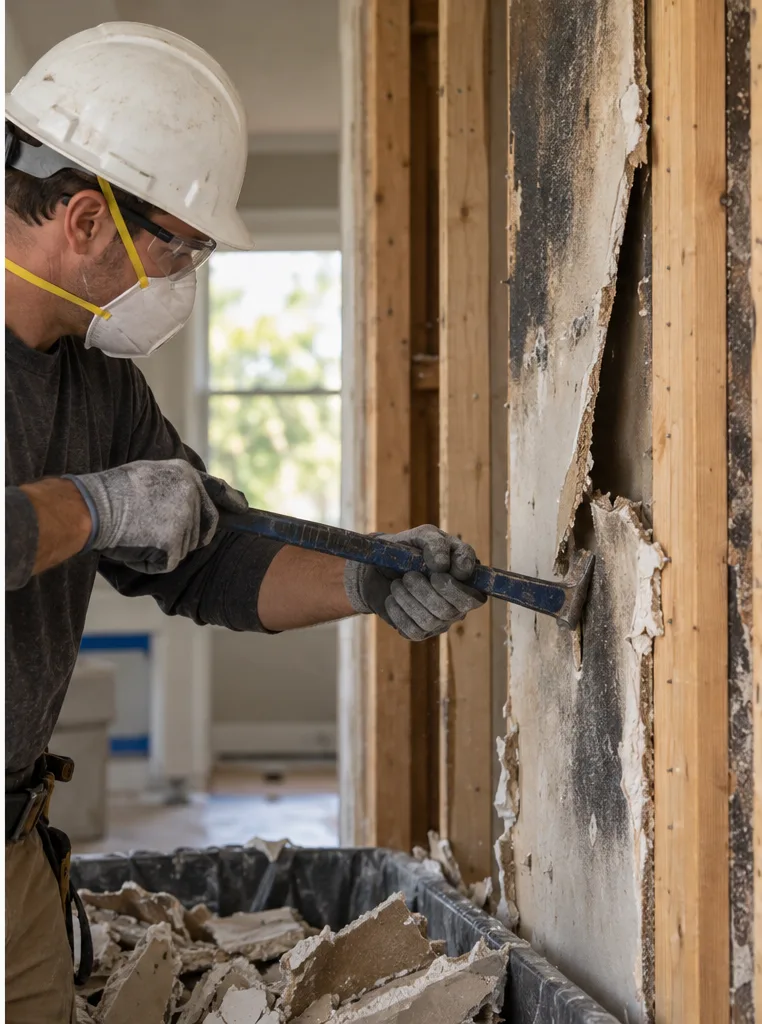
Before approved materials disappear, make a record that the owner, adjuster, engineer, restoration team, and demolition crew can all understand. The record does not need to be elaborate. It needs to show what existed, what was damaged, what was released, and who approved the next step.
Wait for the right release
A fire being extinguished does not mean the building is ready for demolition. Investigators, the insurer, the building authority, or a structural professional may need access first. Keep written releases, notices, and scope decisions together. Do not enter an unsafe area to collect better photos.
Build a simple photo record
Start outside. Photograph every elevation, the address, roofline, utility entries, driveways, gates, neighboring exposures, and the path a crew would use. Inside, only where authorized and safe, photograph each affected room from the doorway before taking closer views. Add a short filename or note that identifies the room and direction.
Documentation checklist
- Fire incident or authority reference
- Insurance claim and adjuster contact
- Engineering or building-official direction
- Wide and close photographs
- List of items or finishes expected to remain
- Utility shutoff or isolation status
- Known environmental reports
- Approved removal boundary
Record who made each decision
“Remove the rear bedroom” is incomplete. Record whether that direction came from the owner, adjuster, engineer, restoration contractor, or authority, and attach the written scope when available. If two directions conflict, resolve them before demolition starts.
Keep salvage separate from demolition
Photograph and label any item or assembly that may be retained before crews mobilize. A vague request to “save what you can” is difficult to price and easy to misunderstand. Use a room-by-room list and state who decides when an item is too damaged to keep.
Safety and regulatory note
OSHA describes demolition as construction in reverse with added hazards and calls for an engineering survey by a competent person before demolition. EPA guidance also warns that damaged buildings can contain asbestos, lead, PCBs, tanks, and other hazards that need appropriate handling. Use the responsible authority and qualified professionals for the actual property.
Review the companion burned structure removal service page, or prepare the details needed for an estimate.